Chapter I
The beginning
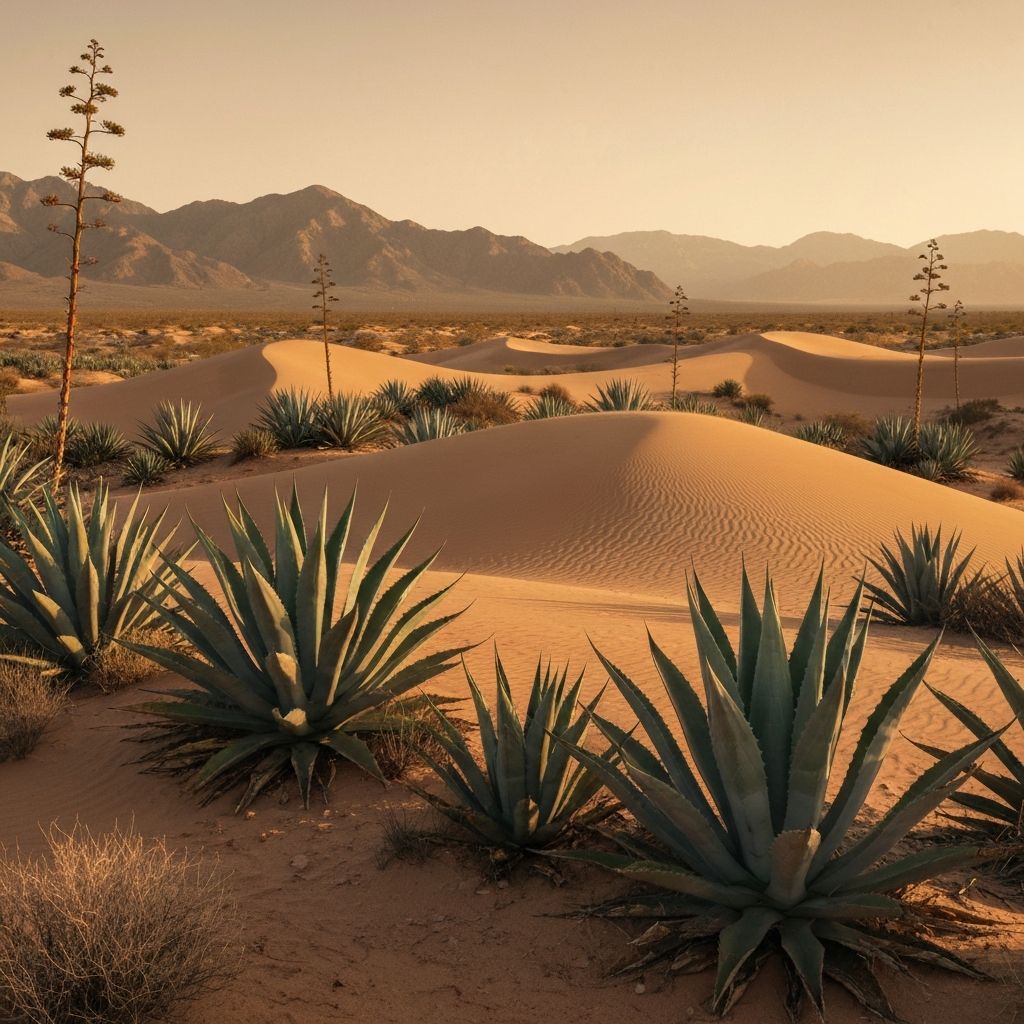
I grew up in New Mexico. I’ve seen agave growing everywhere—in landscaping, along roadsides, in the desert. Beautiful, dangerous, mysterious plants. Most people walk right past them. About ten years ago, I started fixating on these plants. I couldn’t stop thinking about them.
About eight years ago I started collecting agave the only way I knew how: I knocked on strangers’ doors. If I drove past a house with agave in the front yard, I’d stop the car, walk up, and introduce myself. I’d tell them I was passionate about agave and ask if they’d let me do some free landscaping—clean up the pups growing at the base of their plants and take them home to grow. Almost everyone said yes. Most of them were excited about it. I’d leave with a truck bed full of plants and they’d have a tidier yard. That was the deal.
I also collected seeds wherever I could find them, and I read everything available. The definitive reference is Howard Scott Gentry’s Agaves of Continental North America—I’ve had it bookmarked for years. What I was doing, I started calling “guerrilla agave harvesting.” It wasn’t glamorous. But it was a start.
Chapter II
Then I met a farmer named James
James is a longtime New Mexico farmer with a deep, almost scientific devotion to soil health. He thinks about farming the way I think about agave — with obsession and reverence.
At our first meeting, I opened Gentry’s book and turned to the page where Agave palmeri is characterized. I showed him a map with a star roughly where his farm sits. Then I showed him a black-and-white photograph of a small hill covered in large agave.
“We can get in the truck right now and I’ll show you exactly where that is.”
His eyes lit up. It turned out James had been walking those hills his entire life, calling those plants “century plants” without ever knowing what they were. In that moment it all clicked—native, naturally occurring Agave palmeri, growing wild in New Mexico. Cousins of the blue agave that makes tequila.
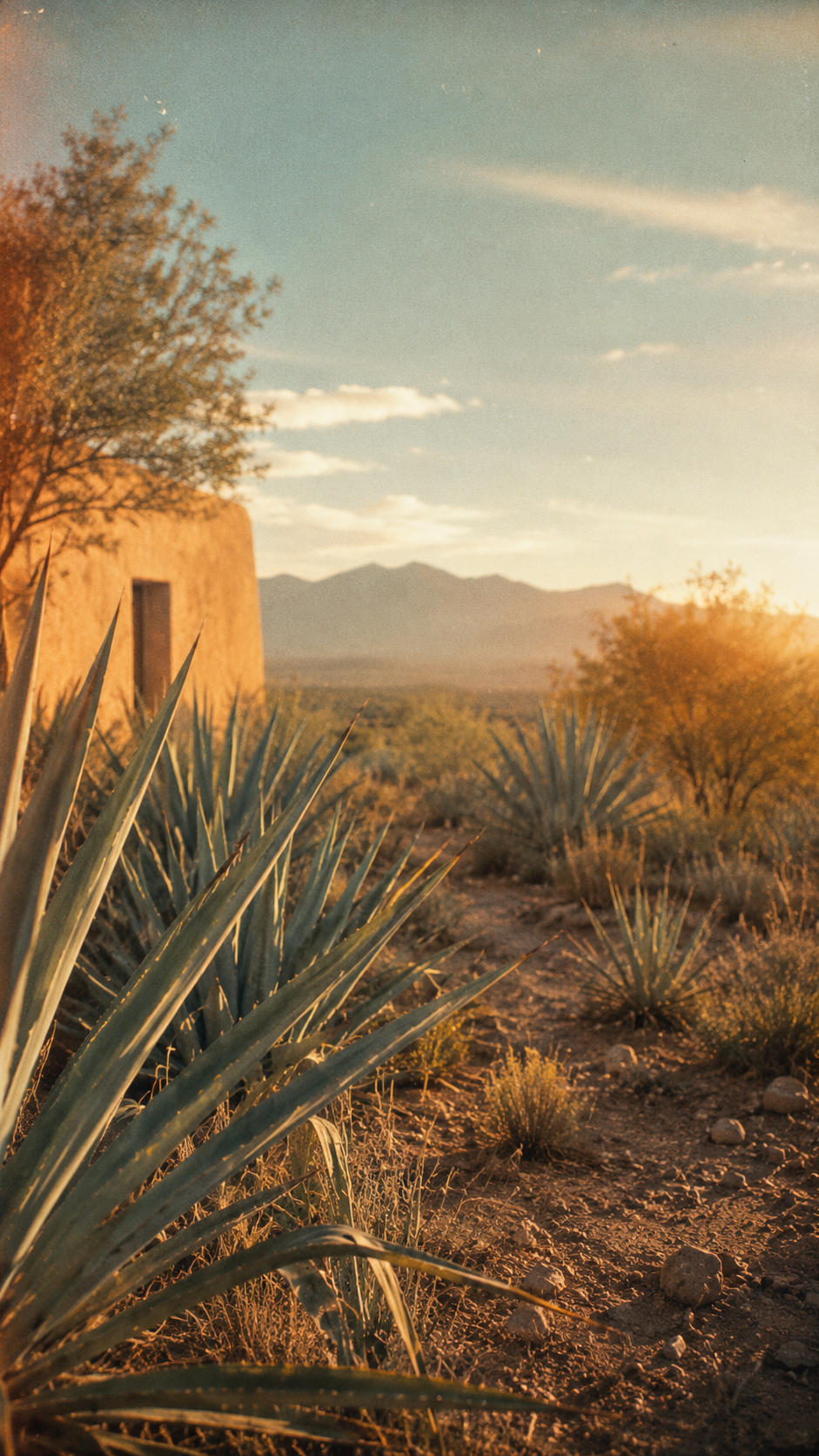
We jumped in the truck. And we walked among them. Enchanting greenish-blue spiked creatures, silently thriving.
I had never seen anything like it in New Mexico. The plants were growing near mesquite trees—nitrogen fixators, James explained, that enrich the soil chemistry around them. It was the beginning of a partnership built on that shared moment of recognition.
Chapter III
Survivors
Over the following years, I kept collecting plants and hauling them to James’ farm. We put roughly 800 plants in the ground in long rows. The first time I walked those rows—just walking alongside agave I had planted— it was one of the most quietly powerful moments I’ve had in this project. All the while, I was nurturing racks of small agave in my garage—germinating tiny black seeds. I built up about 6,000 small plants.
Then came the hard part.
In 2024 and 2025, I lost all of my agave seedlings. Personal challenges took my attention—the plants paid the price. Years of blood, sweat, and tears—gone. It was painful.
But this is the thing about agave that people don’t fully appreciate: these plants are survivors. And so am I.
In 2025 I started over. Right now I’m growing approximately 12,000 plants in my garage. We have several hundred in the ground at the farm. A tissue culture order of 2,500+ premium cold-hardy varietals just arrived. By end of summer I expect 15,000+ plants in various stages. The 10-year vision is 100 acres in the ground—100,000 to 150,000 plants.
Chapter IV
What agave is
I want to say more about agave plants. They are extraordinary. Architectural and beautiful, but they will absolutely draw blood if you’re not paying attention—the spines are long, sharp, and deceptively fast to find you. They have an almost prehistoric texture, like sharkskin. They take 8–25 years to mature. And when they finally bloom, they send up a single dramatic flower stalk and then they die. Everything they have goes into that one final act.
There’s something deeply moving about that.
People ask me: doesn’t it bother you that these plants take so long to mature? It doesn’t phase me at all. Throughout my life I’ve found the deepest fulfillment in doing hard things—in testing myself, in proving I can. The timeline isn’t a burden. It’s the point. We’re not sitting around waiting for plants to grow. We’re living while they grow. We’re making memories while they grow. We’re making a spirit, and making history, while they grow.
Chapter V
The first roasts
Long before there was a farm or a brand, there were experiments. I want to share two because they are part of this story.
Alamogordo
The first started with a Facebook Marketplace listing. A woman in Alamogordo had several massive agave plants next to her house— a nuisance, she said, and she just wanted them gone. I left at five in the morning with my dad and my friend Brad. We spent the entire day harvesting pups, chopping spines off the large piñas, hauling truckloads to the dump just to clear the site, then loading everything up and driving back to Albuquerque.
I dug a pit in my parents’ backyard and lined it with stone. The next morning we built a fire, threw the piñas in, and covered them to roast. My friend Frank—a distiller—and Enrico were there for that first roast. We left them two or three days, then pulled them out.
Then we tried to smash them by hand with sledgehammers.
I now understand why in Mexico they use massive stone tahona wheels pulled by donkeys. The fiber should look like pulled pork when properly processed. Ours looked more like chunks of chicken. We hadn’t roasted long enough, hadn’t smashed nearly well enough, and the agave we used didn’t have sufficient sugar content to begin with. We attempted fermentation. It turned putrid. We had to dump the whole batch.
We failed completely. We made a mess. And we made some great memories.
Las Cruces
The second attempt started with another large plant, this time in Las Cruces—it was massive. My dad and my mom helped me harvest it. We roasted it again, but better—hotter, longer, improved pit setup. Then we smashed it in an old bathtub salvaged from my grandmother’s motel in Belen, New Mexico, which we had just taken down. Brad, Matt, and Enrico were there. We smashed it properly this time.
We took everything to Frank’s distillery. He guided us through fermentation and distillation. At the very end, what came out was six Mason jars—each with about two or three fingers of clear liquid, labeled one through six. Frank walked me through the heads and the tails—the fractions you never drink. I sampled jar three. It tasted incredible.
It was just an old Mason jar, but it contained perhaps the first all–New Mexico, handmade agave spirit made from the raw agave plant… in who knows how long. To me this was like reaching a summit. I looked out from that peak and saw many more mountains I wanted to climb.
This wasn’t improving on something that already existed. This was creating something entirely new— not new to the world, but new to New Mexico. And I want to reach those other summits with my friends and family alongside me.
That is what Conmigo is for.